
Directory of Valleseco
-
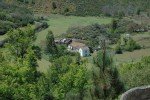
Leaving the most populated part of town, just a few kilometres from the Valleseco downtown, is the site of the Cortijo Calderetas which you can get to by walking a short distance from the off the main road. This beautiful landscape was formed by a large volcanic caldera which gave life to the surrounding chestnut, elm and pine trees.
-
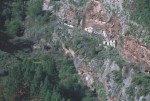
El Maipey grave is situated in the dirt track that joins Valsendero and the Cortijo de Crespo through el Andén ravine, near Montaña Pajarita...
-
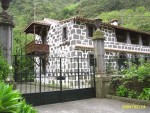
Valleseco township has a significant heritage of traditional rural architecture, linked to farms that are scattered in throughout the territory or in small groups here and there. An excellent example of one of these groups of homes are in Monagas, it's a wonder how their location and their landscape seem to absorbed them.
-
Dña. Mª Dolores Rodríguez Vega: Weaver
Dña. Isabel Concepción Hernández: Weaver
Dña. Mª Carmen Ojeda Suárez : Weaver
D. Antonio Vega Suárez: Carpenter
-
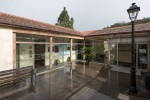
Within the village of Valleseco, you will find the Ethnographic Museum, where you can learn more about a typical Canarian product, el gofio, a kind of flour made of toasted corn, widely used all over the islands. The Tourist Information Office of Valleseco is also situated at this point.
-
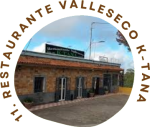
Traditional Canarian food restaurant
-
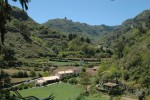
The valley EL Barranco de la Virgen, with its natural landscape is one of the main valleys, which cross the town Valleseco. Because it is surrounded by high mountains, it is in this area where the sound of silence to can still be heard. You can came to this valley it from the Valleseco town center by the GC-305, which leads you to the first section of Valsendero and then continues across the ravine is the last stretch then it's on to the nearby town of Firgas.
-
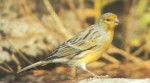
The laurel forest is one of the more diverse ecosystems of our island and which hosts a wealth of interesting endemic faunal. Species that require more moisture refuge in shady areas, hidden under leaves, rocks or logs: earthworms, slugs, snails, spiders, myriapods ... Among insects abundant endemic beetles, earwigs, pseudoescorpiones, grasshoppers , bees and butterflies and moths. Among vertebrates are the birds, reptiles and shrews.
-
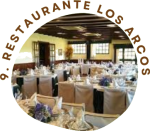
Excellent food, cozy and elegant, with amazing views, and easy parking.
-

Juan González García is a young craftsman who always applies his aesthetic sensibility and know how to his carpentry. He comes from a family of several artisans, with whom he worked for many years until he established his own workshop and now specializes in restoring antique furniture.
-
Bar Cafetería Mi Cielo – C/León y Castillo, 15, Valleseco (tlf. 928- 61 87 76) Horario: 6:00-17:00 Mon-Fri
-
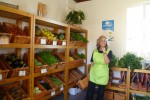
Valleseco' s Ecological Market, known as EcoValles is the first ecological market in the island. It has 10 stands which provide differents products such as dairy or packet products, all of them certified
-
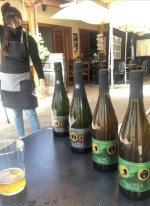
Valleseco' s Ecological Market, known as EcoValles is the first ecological market in the island. It has 10 stands which provide differents products such as dairy or packet products, all of them certified
-

The Cafetería Churrería Grill 3 Girasoles is situated in the center of Valleseco.
-
Situated in the Valleseco Ecological Market, you have the choice of different courses for lunch and dinner.
-
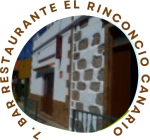
They use local products to make high quality traditional Canarian food. From 2010, They have formed part of a Gastronomic Improvement Programme promoted by Hecansa (Hoteles Escuela de Canarias- Canarian Training Hotels).
-
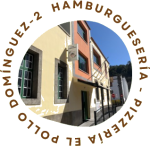
This is the ideal place to eat delicious burgers and pizzas, and a large variety of dishes.
-
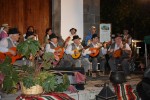
The first Sunday of October another festival is held in our municipality, the Apple Festival in honour of Our Lady of la Encarnación. Villagers on carts, dressed in traditional costumes, come in pilgrimage to offer their products to the Virgin on the eve of the main day
-
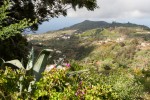
Osorio Peak is a natural viewpoint from which you can see the north of the island...
-
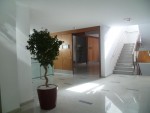
Opened to the public on 25th January 2013, this new building has been baptized Don Juan Díaz Rodríguez. This neighbour of Valleseco, born in Barranco de la Virgen, was an illustrious person ...
- 1 of 2
- next ›
